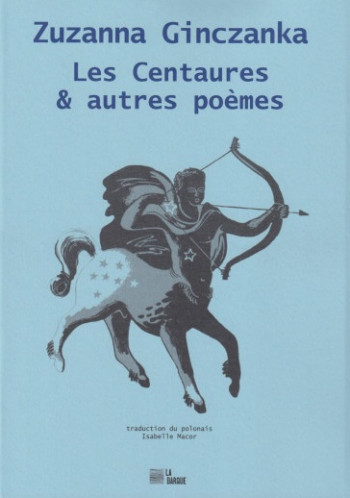
A selection of poems by Zuzanna Ginczanka in French
News
19.04.2024
”Ciesz się” by Sylwia Krachulec in Korean with the support of the Book Institute
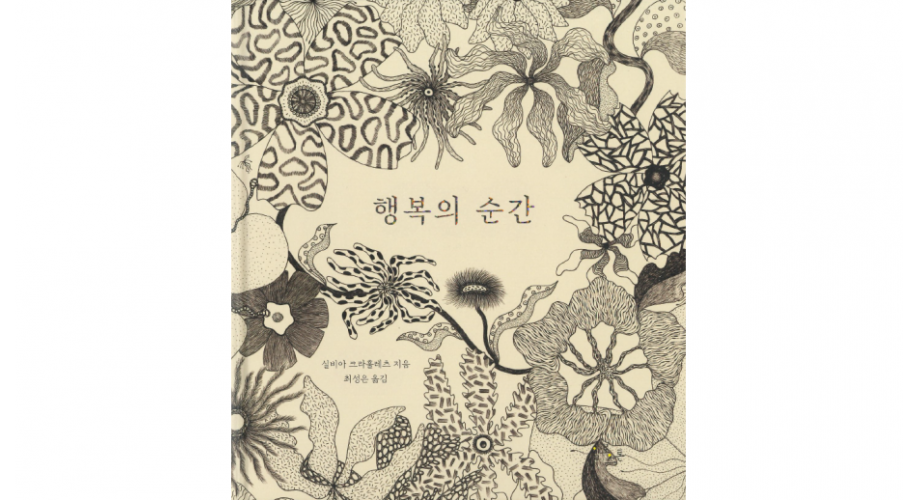
A translation of Sylwia Krachulec's book Ciesz się (“Enjoy”) has been published in South Korea. The translation by Sung-Eun Choi was supported by the ©Poland Translation Programme.
05.04.2024
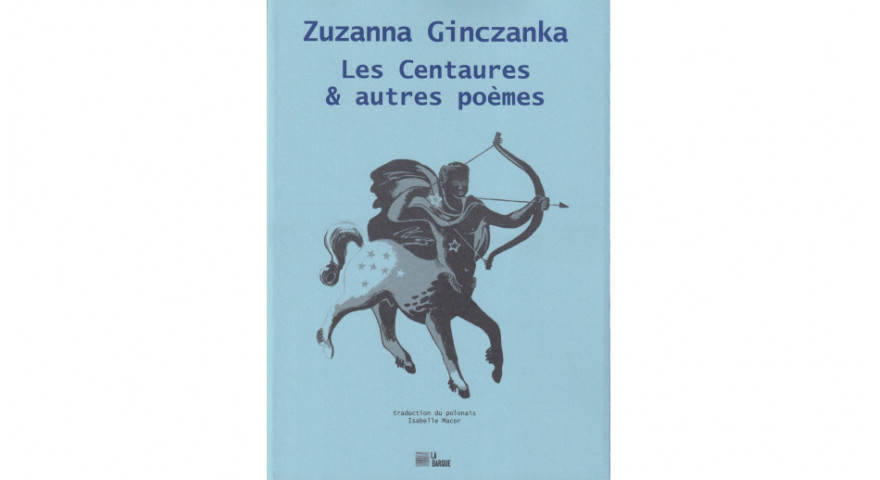
A selection of poems by Zuzanna Ginczanka in French
A comprehensive bilingual selection of poems by Zuzanna Ginczanka entitled Les Centaures & autres poèmes, translated by Isabelle Macor, has been published in France.
29.03.2024
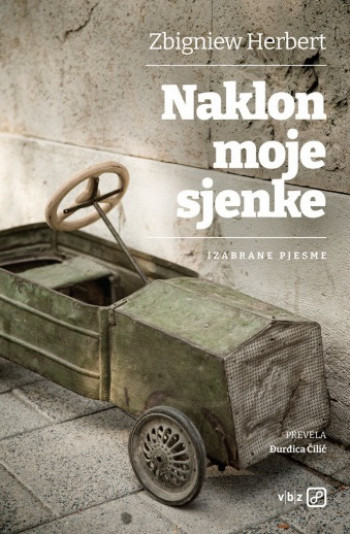
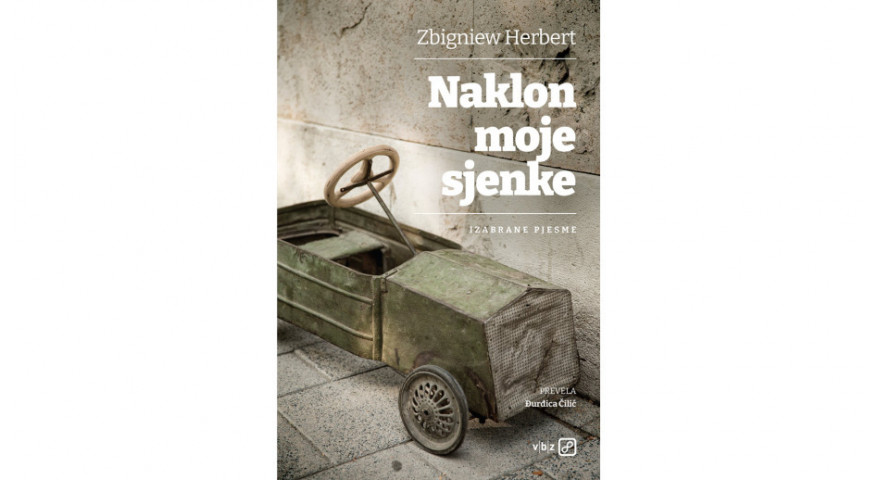
Selected works of Zbigniew Herbert in Croatian with the support of the Book Institute
A volume of Zbigniew Herbert's selected works entitled Naklon moje sjenke has been published on the Croatian market. The publication of the selection translated by Đurđica Čilić was supported by the Book Institute as part of the ©POLAND Translation Programme.
28.03.2024
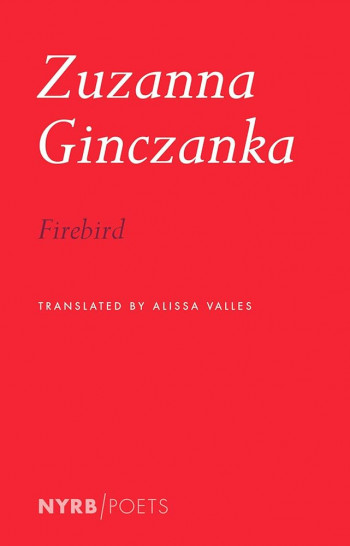
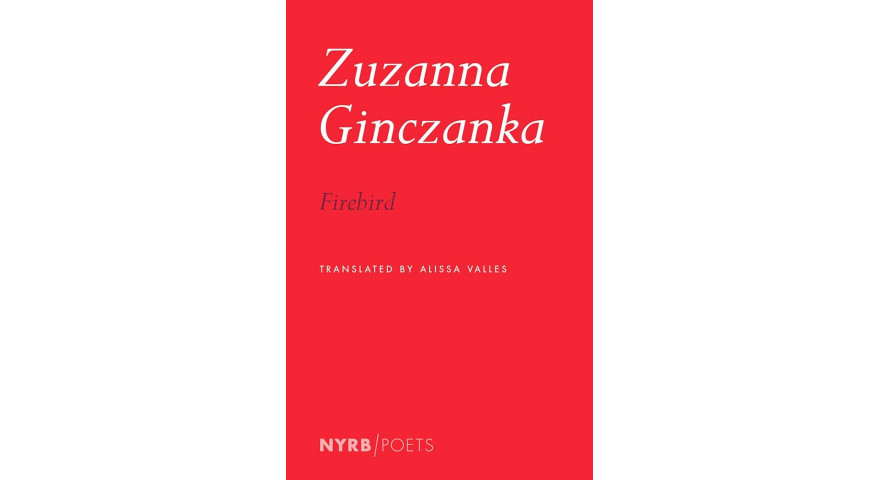
Alissa Valles receives the 2024 Found in Translation Award
The Polish Book Institute, the Polish Cultural Institute London, and the Polish Cultural Institute New York are delighted to announce that Alissa Valles has been awarded the 2024 Found in Translation Award, for her translation of Zuzanna Ginczanka’s ‘Firebird’, which was published by The New York Review of Books / Poets in 2023.
Initiatives

Small Book – Great Man
The social campaign "Small Book – Great Man" reminds us of the benefits of reading together in a family from the first months of a child's life. It was devised in connection with a nationwide campaign, as part of which young parents will receive unique Reading Layettes in maternity wards.
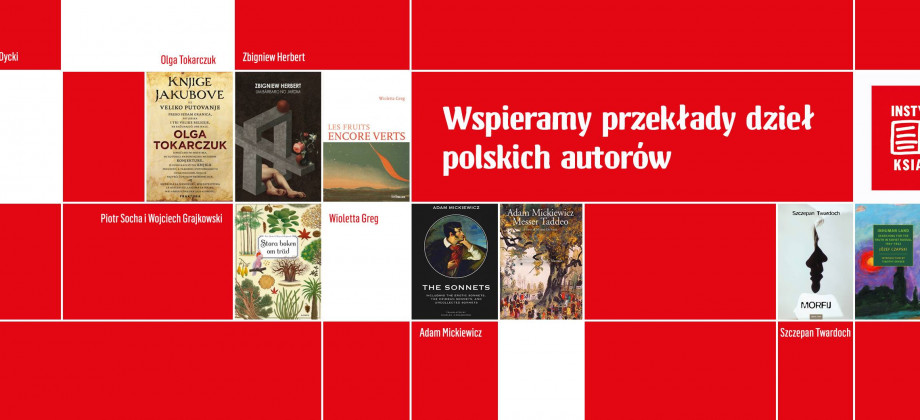
CZYTAJ PL
The largest readership promotion campaign in Poland, and probably in the world. In this year's edition, in 500 cities and towns, there could be found free e-book rentals, available for everyone. They were available at bus stops, libraries, and cultural institutions. The Book Institute is a strategic partner of the campaign.


Partners
Supervising institution

Other partners

The Polish Book Institute
ul. Zygmunta Wróblewskiego 6
31-148 Kraków, Poland
tel. (+48) 12 61 71 900
fax. (+48) 12 62 37 682
show more
31-148 Kraków, Poland
tel. (+48) 12 61 71 900
fax. (+48) 12 62 37 682