Przejdź do głównej sekcji strony

Search

We are here for you

The Book Institute is a state cultural institution. We were established by the Minister of Culture and National Heritage to promote Polish literature abroad and popularise books and reading domestically.


We inform, encourage and convince translators of Polish literature to translate Polish books, foreign publishers to publish their translations, organisers of a whole spectrum of events around the world to invite Polish authors abroad. And when they say they are ready and willing, we help them move forward.

We work to support Polish literature.

We inform, encourage, and persuade:

  • Translators of Polish literature –

    to translate Polish books,

  • Foreign publishers –

    to publish their translations,

  • Polish publishers –

    to be unafraid to put out ambitious literature,

  • Organisers of literary events around the world –

    to invite Polish authors,

  • Readers –

    to actively read, read, and read some more,

  • Libraries and small bookshops –

    to develop and to distribute the best in Polish literature.

We promote Polish literature around the world

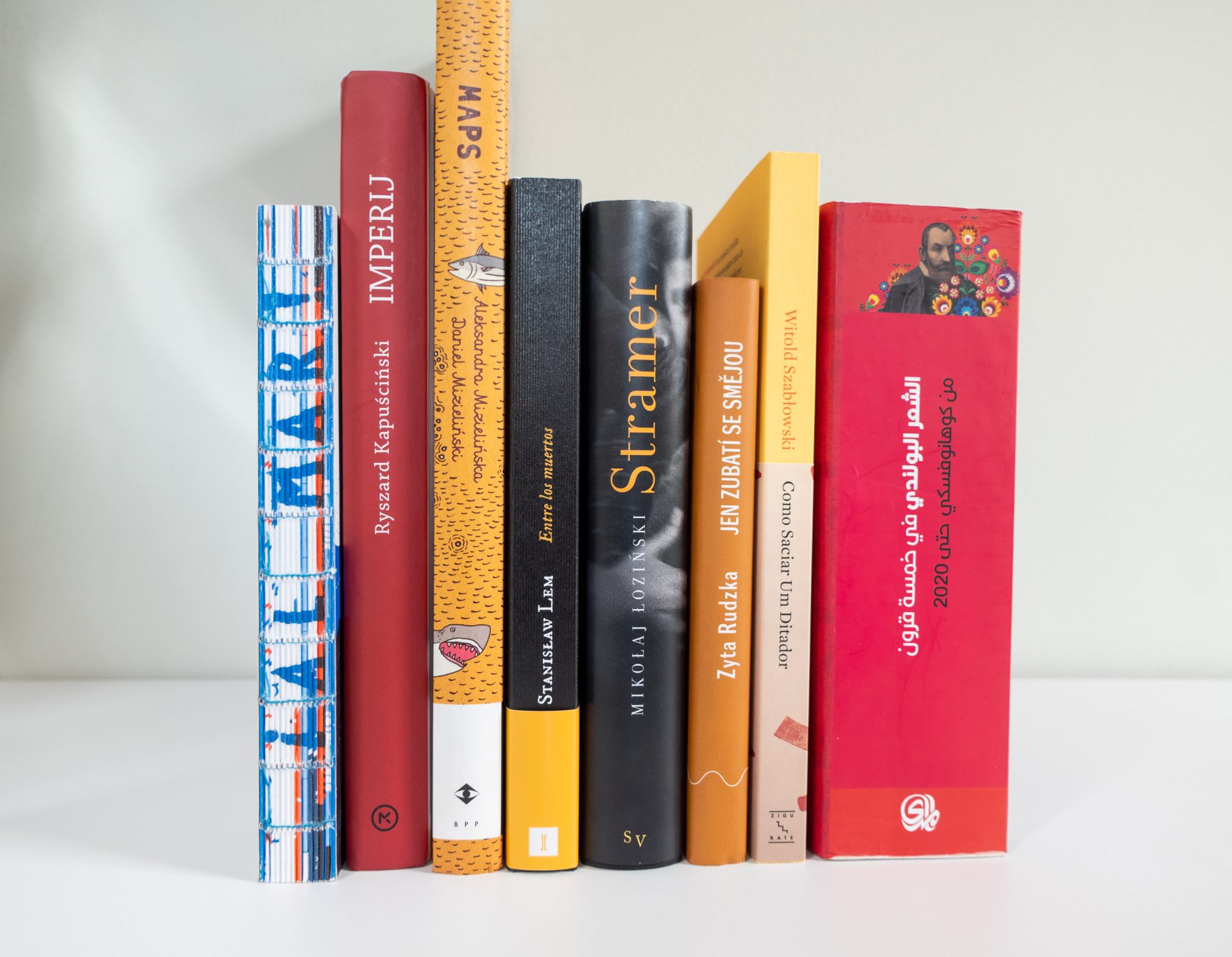
Through the financial support we provide with the ©Poland Translation Programme, over 3,500 translations of Polish books have appeared abroad in years past! These include: Bednarek, Cherezińska, Chmielarz, Herbert, Kapuściński, Krajewski, Lipska, Miłosz, Miłoszewski, Mizielińscy, Rejmer, Sapkowski, Stasiuk, Szymborska, Tokarczuk, and many others.

Yet before many works of Polish literature can go abroad, they need promotion, which is why the Sample Translations ©POLAND Programme helps translators introduce Polish books to foreign publishers. This is, of course, only part of our work to promote Polish literature abroad and to integrate communities of translators of Polish literature.

The programme Publishing Proposals can also be of use here; it helps rights managers prepare their publishing presentations in foreign languages. Finally, the Non Stop – Polish Literature Abroad programme makes it possible to organise foreign events featuring Polish authors, and is open to writers, illustrators and translators as well as institutions wishing to host them.

Of course, our activity is not limited to grant programmes. Every year, we also organise the Polish stands at the most important trade fairs (Frankfurt, Bologna, London), supporting Polish publishers in their efforts to sell translation rights, and information stands at selected fairs worldwide (including Taipei, Leipzig, Prague, Turin and Shanghai). Fairs are the best opportunity to present the most important and interesting books which had gained recognition in Poland. Thanks to the catalogue New Books from Poland, which we publish annually, and the Polish Books for Children & Young Adults catalogue and various irregular publications, such as these devoted to graphic novels or speculative fiction, we want to show that Polish literature is diverse and can appeal to everyone; it is worth reading, translating and publishing.

We also invite publishers to Poland for our Seminars for Publishers, during which they have the opportunity to meet Polish authors, publishers and agents, which often results in book publications and long-term friendships. Every four years, we organise the World Congress of Polish Literature Translators, a great celebration of translators of Polish literature. Translators can also take part in the residency programme Translators’ Collegium in Cracow or Warsaw, where they can work on translations, explore libraries and meet authors and experts. We keep in touch with translators through our New Books from Poland newsletter: sent every quarter, it features short write-ups of new book releases.

But that's not all!

Let us not forget, as well, about the promotion and spread of literacy in Poland, and for this we need libraries. The Library Infrastructure Priority, whose aim is to transform district libraries in towns of up to 100,000 residents into modern centres with access to knowledge and culture, is carried out through the National Reading Development Programme; it is our response to the need for a radical improvement in the state of public libraries in Poland.

We have also developed, written up and implemented the MAK+ catalogue system for libraries, facilitating all the operations tied to running a public library. The system works at the moment in over 2,700 libraries. The purchase of library equipment was also supported through the Kraszewski programme – computers for libraries. Last but not least, we initiated the creation of Book Discussion Clubs in Poland. At present over 1,900 of them are up and running, bringing together literature lovers from across Poland!

We also promote reading: the ‘Small Book – Great Person’ campaign promotes the advantages that come from families reading together right from the first months of a child’s life. Launched in 2017, today it is one of the largest bookstart programmes in Europe; we have managed to give over five million Reading Expeditions to infants, preschoolers and first-graders, while encouraging parents to family reading with their children.

More recently, we’ve added on another project: BookStadium. Inspired by football, this programme promotes readership among children and young people who love sports – our aim is to move beyond the well-worn paths and promote readership effectively, even in unexpected places.

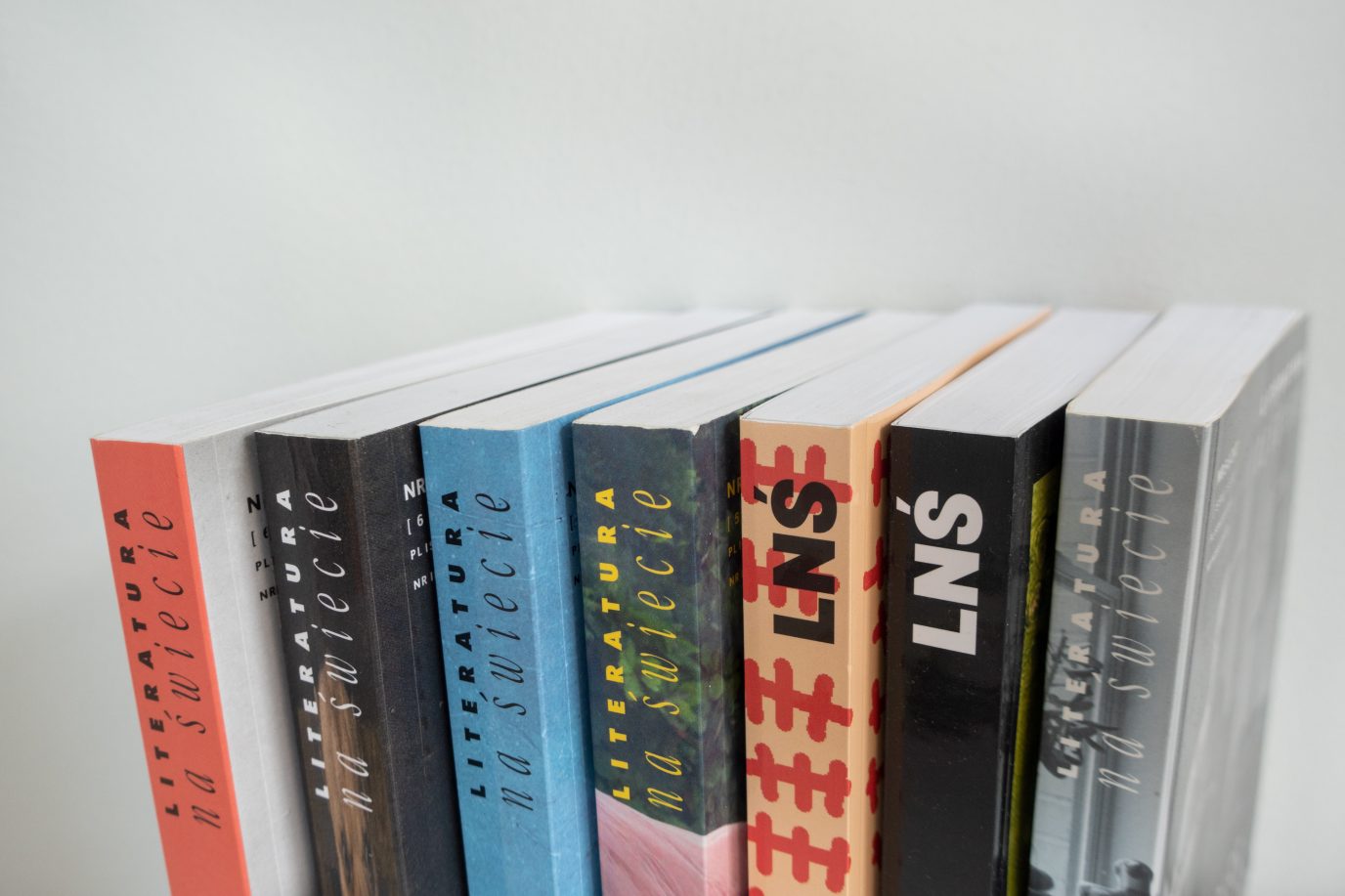
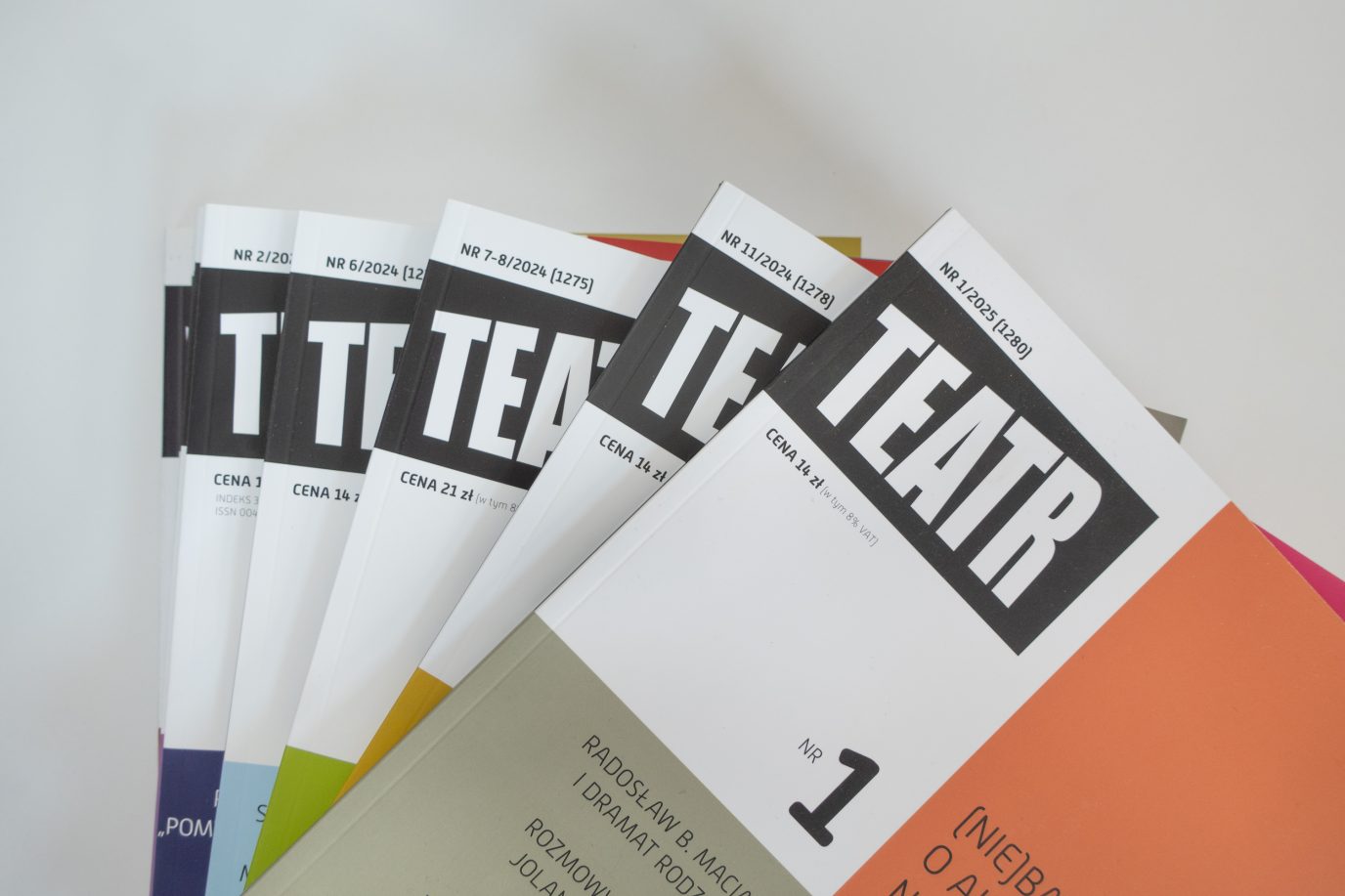
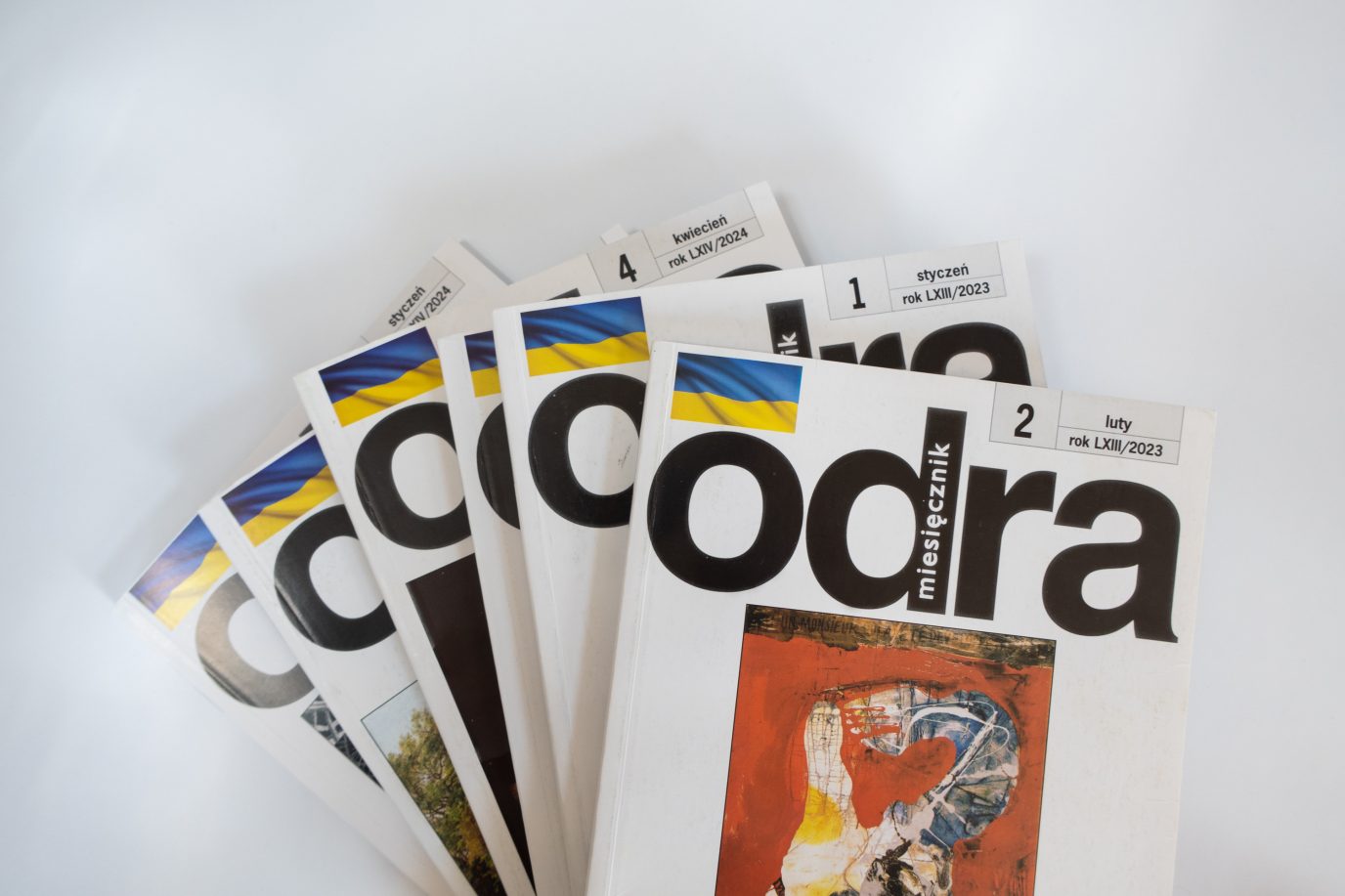
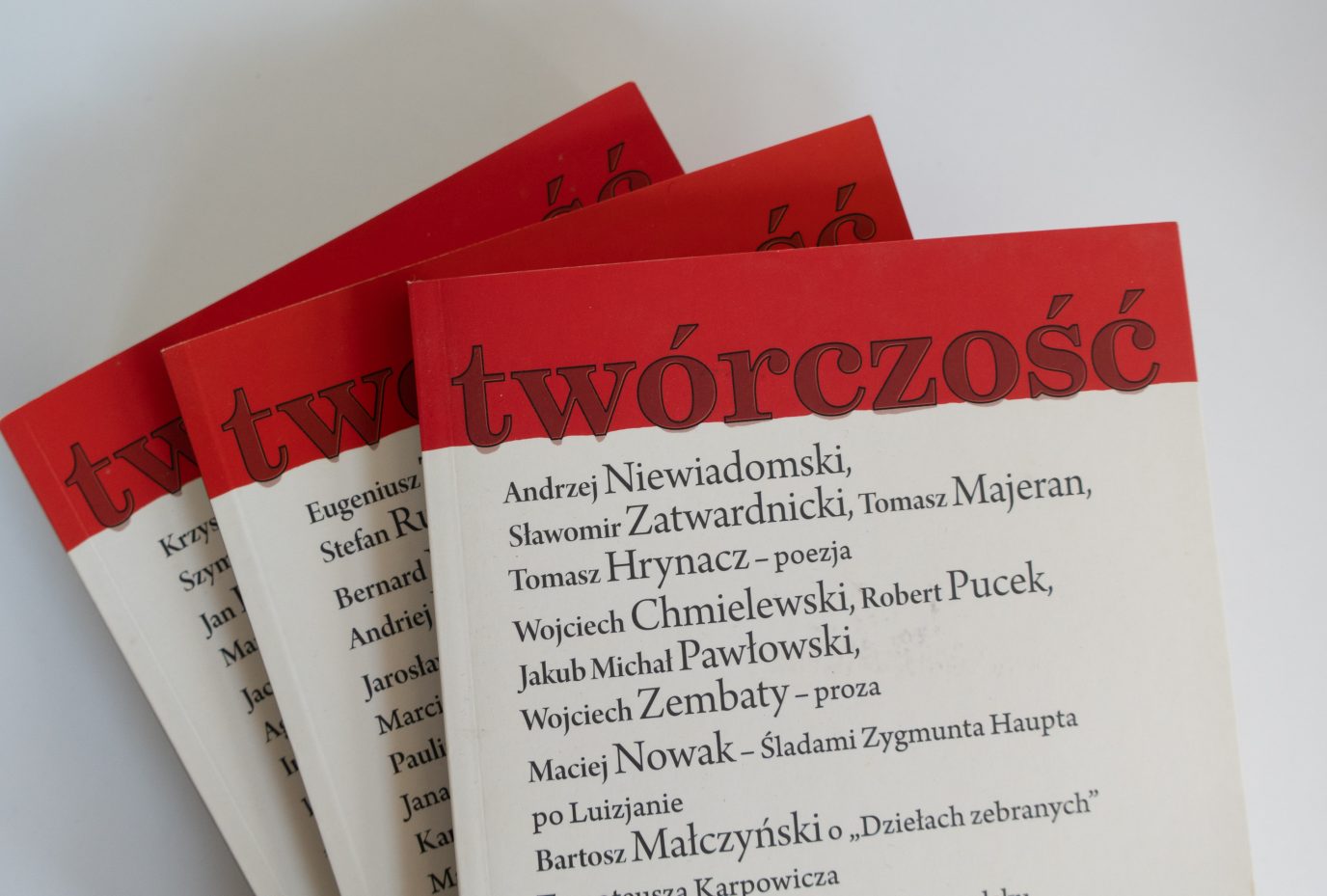
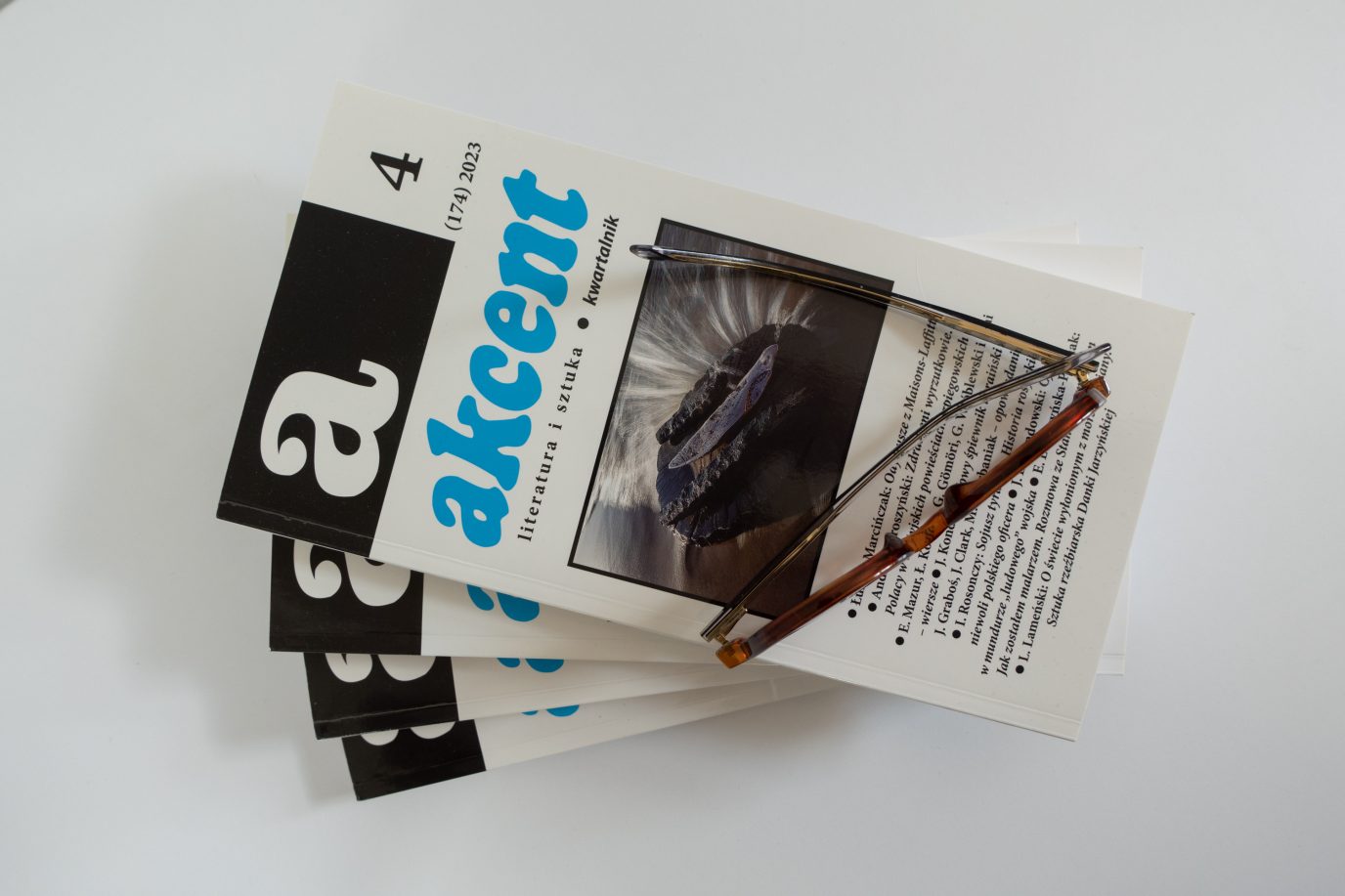
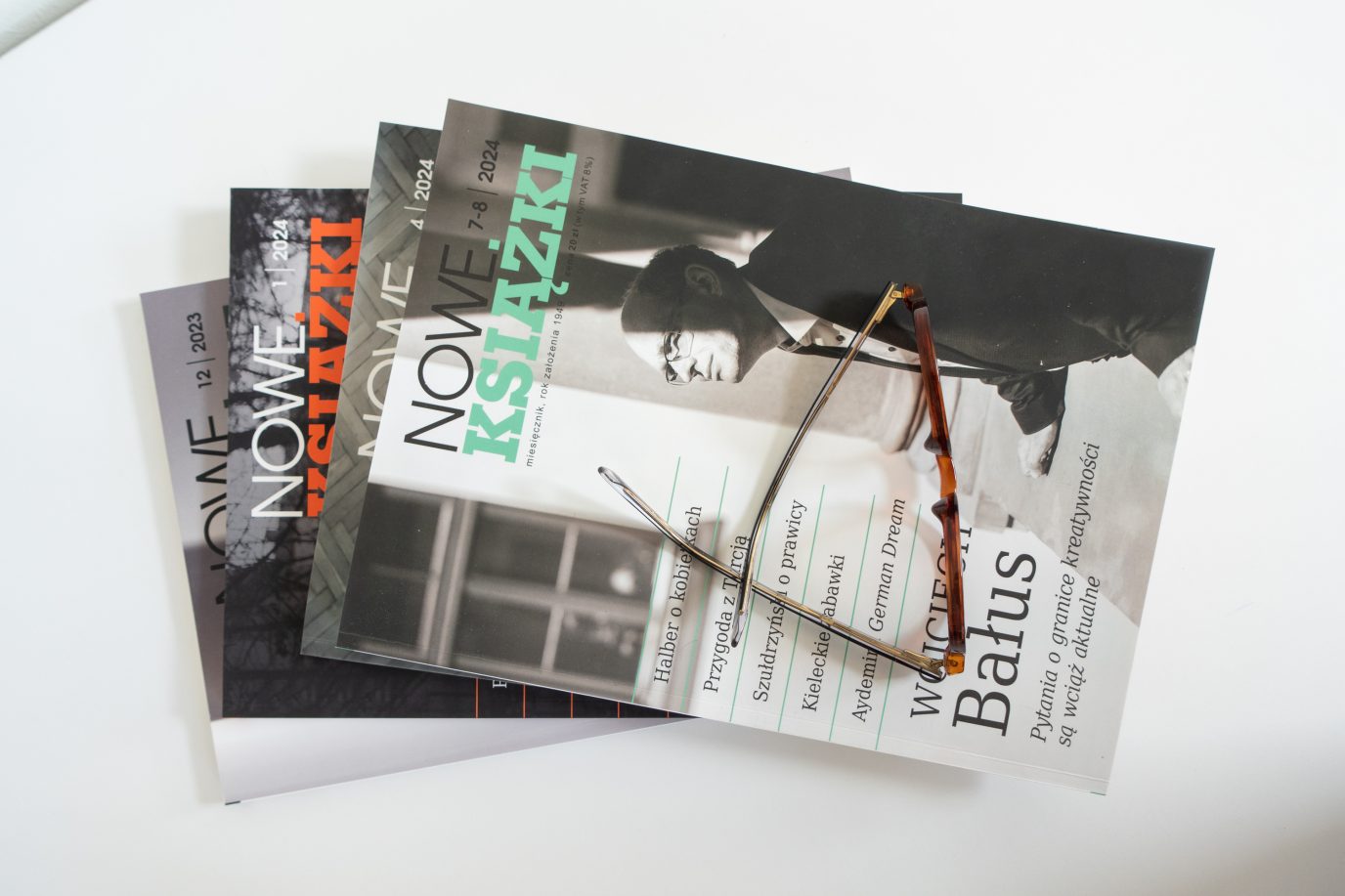
For over a decade, we have been administering grant programs of the Minister of Culture and National Heritage in the field of literature (Magazines, Literature, Partnership for the book, Promotion of reading), while since April 2010 we have been the publisher of some of the oldest and most recognised Polish culture periodicals, such as Nowe Książki, Twórczość, Literatura na Świecie, Dialog and Odra.

For over a decade, we have been administrating grant programmes of the Minister of Culture and National Heritage in literature, while since April 2010 we have been the publisher of some of the oldest and most recognised Polish culture periodicals, such as Nowe Książki, Twórczość, Literatura na Świecie, Dialog and Odra.

Furthermore, we publish Dziennik Literacki – a new web journal designed as a place for literary criticism in its broadest definition. Behind the creation of this title stands the conviction that there are too few places where we can write, discuss or dispute about books.

We invite bookish people to make contact and work with us – we are here for you.

Structure

On 1 June 2024, the Book Institute began operating as a state culture institution, after the merger of the Book Institute and the Institute of Literature. The director was named Grzegorz Jankowicz (since 1.06.2024), and the vice-directors became Agnieszka Rasińska-Bóbr, Marcin Hamkało and Marta Skibińska.

The previous directors were: Andrzej Nowakowski (2004–5), Magdalena Ślusarska (2005–8), Grzegorz Gauden (2008–16), Dariusz Jaworski (2016–24), Robert Kaźmierczak (in 2024, as a replacement).

Our programmes

We promote reading and support those who write, translate, publish and animate literary life in Poland.